
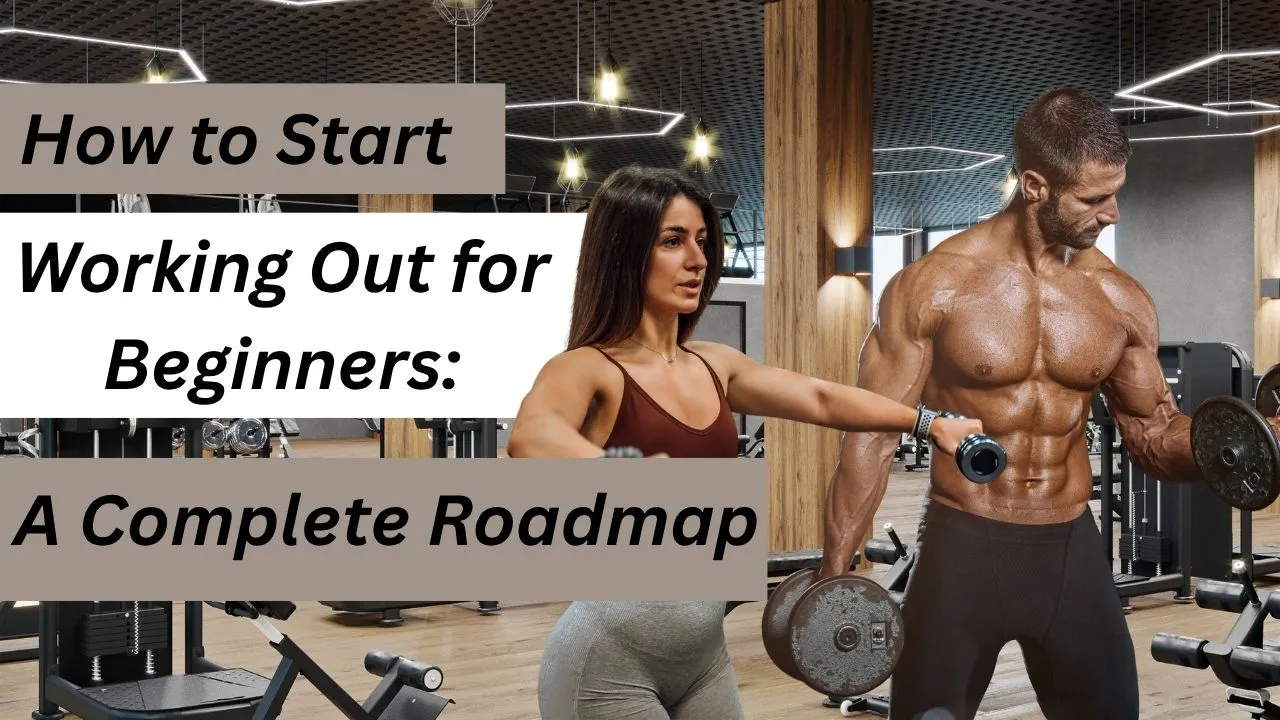
Now, if you never exercised or exercised very little, then it can feel a bit daunting when it comes to beginning a workout. What I mean by this is that you start to think about which exercises do you need, how many times a week should you workout or whether it would require expensive equipment or a gym membership. The bright side is you do not require to be an athlete to begin. A simple, steady routine can render you stronger, fitter, healthier and more energized.
For beginners, the crux is to build slowly, maintain consistency and gradually increase the challenge. Overextending yourself immediately increases your chances of being sore, angry or injured. Instead, consider exercise as something to do for life rather than a challenge you have to complete.
Why Should Beginners Start Working Out?
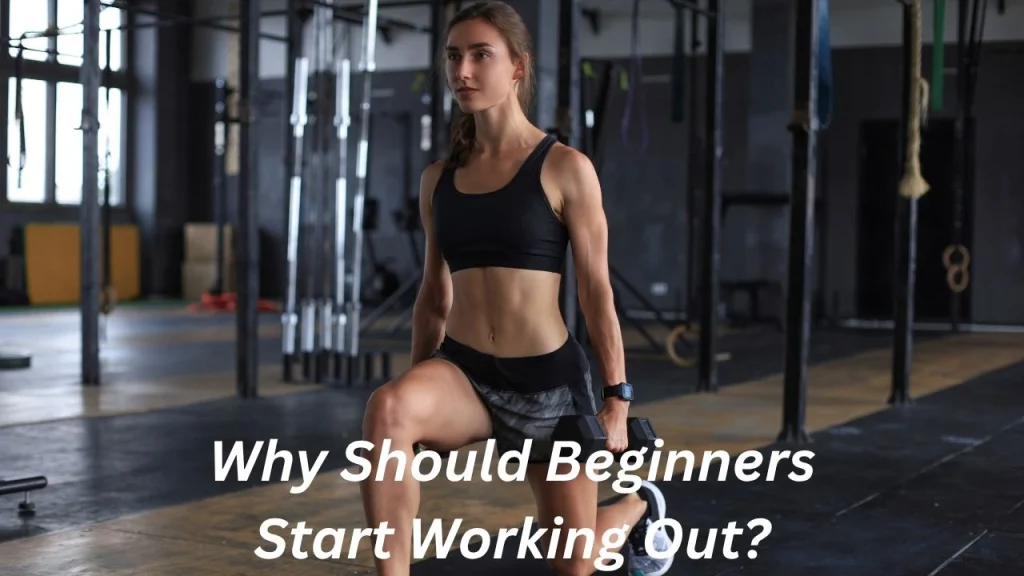
Many seem to think that starting a training routine will only change his appearance. Why is regular exercise important? Exercise can help alleviate cardiovascular and muscular disorders as well as improve mobility, energy level, sleep, and general health. It may well likewise help uphold emotional wellness in addition to lower the risk of some persistent wellbeing conditions.
Exercise does not have to mean spending hours in a gym circuit for beginners. Going on a walk, bike riding, swimming, dancing, or doing some body weight exercises at home are simple activities that can help us get more active.
Similarly, another one of the advantages that it leads to higher confidence. When you develop strength and improve movement specificity, daily activities like climbing stairs, lifting groceries or walking longer distances may have the potential to become easier.
The important thing is to strive for slow progression, not quick results. You can begin with small exercises to help you build a routine that will sustain for the long haul.
What Types of Exercise Are Best for Beginners?
No single exercise is going to be the right one for everyone. Medicine is especially great for beginners who want to mix various types of physical activity, where the choice of whether to use walking, running, or both depends on your goals, level of fitness and interest as well as time constraints.
Aerobic exercise raises your heart and breathing rate, and is designed to improve cardiovascular endurance. Some very common examples include brisk walking, cycling, swimming, dancing, aerobic and jogging.
Strength training focuses on making your muscles stronger. If you are a beginner, start with some bodyweight movements such as squats, wall push-ups, lunges, and glute bridges. Training Equipment: As you advance with your replica cardio exercises, resistance bands, dumbbells, or a gym routine can be incorporated.
Flexibility training exercises help to maintain your range of motion. Gentle stretches or yoga may be beneficial complements to your practice in the beginning.
These injury-prone areas, along with balance & stability exercises, help our coordination and body control. Such as simple core movements, balance on a single leg, and moderate bodyweight exercises can be part of the workout.
High-intensity forms of training like HIIT may also be beneficial for certain individuals, but not everyone should start with such extreme levels of training as a beginner. You are programmed from Intermediate Activities; Basic Strength will be even more comfortable to build on top. Healthline too advises selecting activities that suit you, and mixing various forms of exercise when it makes sense to do so.
How to Get Started With Exercise
The first step is scheduling a routine that complements your present lifestyle compared to trying to transform your schedule all at once.
Start with a short amount of time if you have not been active for quite some time. You might want to begin by walking 3 days a week for 15-20 minutes. Get comfortable in that, then slowly increase the time or introduce some other type of exercise.
If you have any health conditions or haven’t exercised in a long time, talk to your doctor before starting an intense exercise program. They can also help you find out whether any precautions or changes are needed.
It is also helpful to decide when and where you are going to exercise. Arguably, some folks work out best in the morning while others prefer after-work or lunchtime exercise. Stick to a time that you can actually keep.
If you can’t fit in 30 minutes at a time, that’s fine: shorter sessions also help you become more active. You might segment activity into shorter bursts of time throughout the day.
And, of course, choose exercises that you do not dread the most. The more you love your workouts, the easier it will be to make exercise a habit for life.
1. Start With a Realistic Goal
Define your goals. Before you start a workout routine, know what you want to achieve. Maybe you want to build strength, get fit, lose or maintain weight, increase flexibility, have more energy, or simply be active.
Having a clear goal always gives you purpose to your workouts. For example: instead of saying, “I want to be fit,” Try: “I will exercise 3 days a week for 30 mins”
Forget about immediate big-time results. Common Mistake – Expecting Big Physical Changes in Just a Few Weeks. One of the most common mistakes made by beginners is expecting drastic physical changes after just a few weeks. Sustainable progress takes time.
The first thing you need to do is just make the habit of doing exercises regularly
2. Choose Activities You Enjoy
Getting healthy doesn’t have to involve hours spent lifting weights or running on a treadmill. The most effective exercise is the one that you love doing and will do consistently.
Newbies may choose activities like:
- Walking or brisk walking
- Cycling
- Swimming
- Dancing
- Jogging
- Bodyweight exercises
- Strength training
- Yoga
- Hiking
- Recreational sports
Running – If you hate running, this is probably something to not force yourself. A good workout can be walking, cycling, swimming, or even dancing.
Enjoyment means something to people because without enjoyment, a person will most likely not continue an activity; without enjoyment, it just feels like punishment.
3. Begin With Three Days a Week
You do not need to start exercising every day if you are currently inactive. Aim for three workout days a week and space your workouts appropriately to allow recovery time.
For example:
Monday: Full-body workout
Tuesday: Rest or easy walking
Wednesday: Cardio
Thursday: Rest
Friday: Full-body workout
Saturday: Optional light activity
Sunday: Rest
This schedule provides a balance between activity and recovery.
As your fitness improves, you can gradually increase the frequency, duration, or intensity of your workouts.
4. Don’t Skip the Warm-Up
Warm-ups gradually increase your heart rate and get muscles and joints ready to move. Warm-ups can last for three to five minutes–something that is quite approachable for an average beginner. Try:
- Easy walking
- Gentle jogging
- Arm circles
- Shoulder rolls
- Hip movements
- Leg swings
- Light bodyweight movements
Your warm-up doesn’t need to leave you exhausted. The purpose is simply to prepare your body for the activity ahead.
5. Learn the Basics of Strength Training
For beginners, strength training is advantageous as it helps in gaining muscular strength and contributes to daily functioning. You don’t necessarily need gym machines or dumbbells. You can use your body weight for many exercises. Good beginner exercises include:
- Squats
Squats involves a number of muscles in your lower body. Start out in a stride, with your feet set approximately shoulder-width apart from one another and hold an upright position that is easy on the chest while you allow your knees and hips to flex down into place before pushing back up.
- Wall Push-Ups
If classic push-ups are too hard, place your hands on a wall. While keeping your body in a relatively straight line, bend your elbows and lower yourself to the wall with your chest, then push back away.
- Glute Bridges
When we repeat this kind of exercise: lying on your back with knees bent and feet on the floor. Squeeze your core and glutes, raising the hips before bringing them down under control.
- Bird Dogs
Position yourself on your hands and knees. Extend one arm and the opposite leg slowly with a stable torso, reverse and switch sides.
- Step-Ups
First, stand on a stable low step or platform with one foot placed on the surface such that you can step up under control. Alternate legs as appropriate.
Focus on performing each movement correctly rather than how many times you complete the workout, since you are not competing yet, so start with a low number of repetitions.
6. Add Cardiovascular Exercise
Cardio exercises develop your cardiovascular system and your lungs, developing overall stamina. Walking is the easiest way to start, especially for beginners. Start at a relaxed speed and progress up to full speed or for longer, as your fitness develops. Here is how a beginner cardio session for this might look:
- 5 minutes of easy walking
- 15–20 minutes of brisk walking
- 5 minutes of slower walking
Eventually, you perform it longer or add other aerobic activities such as cycling, swimming, jogging, or aerobics machines.
You do not have to go full-bore in your exercise for it to be beneficial. Starting with moderate, sustainable activity is a good place to start.
7. Focus on Proper Form
If you are brand new to exercising, make technique your priority over lifting heavy weights or high numbers of reps.
Weak technique diminishes the preventive nature of an exercise and may expose trainees to injury.
- When learning a new movement:
- Start with an easy version.
- Learn the correct movement pattern.
- Execute repetitions in a slow and controlled manner.
- Increase difficulty gradually.
If you feel any intense or uncomfortable pain, stop.
If you are not confident in your technique, work with a qualified fitness professional who can cue, demonstrate and give feedback on exercise.
8. Progress Gradually
Progressive overload is a crucial principle for any beginner. Put another way, this means to slowly and progressively build a little extra challenge into your body as it adapts. You can progress by:
- Adding a few repetitions
- Increasing workout duration
- Adding resistance
- Improving exercise technique
- Increasing walking speed
- Adding another workout day
- Opting for a more difficult exercise
- You do not have to increase everything at once.
If you can do 10 bodyweight squats comfortably, then this might mean doing between 12–15 repetitions first before increasing the weight that you are using rather than jumping straight to heavier weights. Small gains day in and day out combined over weeks or months have big impacts.
9. Give Your Body Time to Recover
This is one of the true core philosophies in the world of exercise: exercise creates a stress and recovery allows adaptation. Some beginners mistake this to mean that if you train harder and more often, then the results will come quicker. In truth, you can be under-recovering and end up carrying around too much fatigue, which will make it more difficult to adhere to your routine. A day off is not a lazy day. These are included in a good training program.
Recovery can include:
- Getting adequate sleep
- Eating balanced meals
- Drinking enough fluids
- Taking rest days
- Doing gentle movement
- Managing stress
If you’re feeling more tired than normal or have persistent pain, cut back on your training and allow time to heal.
10. Pay Attention to Nutrition and Hydration
Healthy eating goes hand in hand with exercise. An extreme diet just because we started exercising you don’t need.
Use a wide variety of nutritious foods such as vegetables, fruits, whole grains, protein-rich foods and healthy sources of fat.
Protein, in particular, is essential for the repair and growth of muscle. Sources that can come from plant-based foods (if you follow a vegetarian or vegan diet) include: eggs, dairy products, fish, poultry, and other protein-rich foods such as beans, lentils, and soy foods.
Hydration also plays a vital role in exercise, particularly for endurance activities and exercising in hot or humid conditions. Ensure timely fluid intake by drinking enough in regular intervals and listening to the body as per your requirements.
Keep in mind that exercise is supposed to complement healthy eating, not be an excuse to justify restricted or extreme diets.
11. Track Your Progress
You don’t need to weigh yourself daily or take regular progress pictures to see and understand how you’re improving.
Consider tracking things such as:
- Number of workouts completed
- Walking distance
- Workout duration
- Number of repetitions
- Amount of resistance used
- Energy levels
How easily everyday activities feel. Before any big changes in the physique however, you may observe increased strength, stamina, coordination, mood or energy. Tracking these improvements can keep you motivated when things feel like they are moving slowly.
12. Avoid Common Beginner Mistakes
There are a handful of missteps that can make beginning an exercise routine much harder than it needs to be.
Overdoing it right away: If you start with hard workouts every day, your body can get so sore and fatigued that you’ll just end up feeling burnt out.
Feed: Compared to an experienced runner, someone who has years of training will have a completely different point than a beginner.
Ignoring pain: Normal exercise discomfort is not the same as a sharp or lasting pain. Don’t push through significant pain.
Constantly switching up your routine: Allowing enough time for the body to acclimate before deciding a program isn’t working.
Looking for immediate results: Fitness can be achieved only through dedicated hard work over a long period of time.
Recovery is an integral part of training – do not treat rest like failure.
Final Thoughts
You can know how to begin a workout routine as a newbie without making it too complicated, scary, or long and hard. That step is pretty simple – just start. You don’t require expensive gear, a gym membership, or an elaborate fitness program to figure out how to be more active. Simple things like walking, bodyweight exercises, cycling, swimming, and gymnastics help you prepare your body well.
The important part is to begin slowly, make small targets and stay consistent. Set off with workouts tailored to your current fitness levels, allow your body sufficient recovery, and increase the time or intensity of the workout only when you feel stronger. Such as: Warming up before exercise, putting your ego in check (I like this one), cooling down after exercising, and paying attention to those signs of exhaustion.
Do not compare your start to someone else’s finish. You were already at a different level of fitness before this, and you need time to achieve any real results. Visible changes in strength, endurance, mood, and sleep may be seen before physical differences.
Ok, so mainly pick where you really enjoy and are capable of integrating into your lifestyle. Or, to phrase it another way: if you think about how frequently we all stick with die-hard programs (a few weeks) versus a simple workout plan where the intensity isn’t present and stank your fork into some every day, then regardless of the supreme motivation that comes from – that kind of ‘commitment’ will outwit trend training sessions any day. Begin at the point that you are, step by step, and focus on progress not perfection. Exercise is a habit – with time, patience and consistency, it can be a healthy life-long habit to maintain your physical fitness and overall health.